

Introduction
Malawi stands at a pivotal moment in its digital journey. As the world becomes increasingly interconnected, the potential for digital transformation to drive economic growth, improve public services, and create opportunities for young Malawians has never been greater. At DigitalLake MW, we've witnessed firsthand how technology can transform businesses, communities, and lives.
Digital transformation is more than just adopting new technologies—it's about reimagining how organizations operate, how services are delivered, and how value is created. For Malawi, this represents an unprecedented opportunity to leapfrog traditional development pathways and build a modern, digital economy.
"Digital transformation is not about technology—it's about people, processes, and the courage to reimagine what's possible."
The Current Digital Landscape in Malawi
Malawi's digital ecosystem has grown significantly over the past decade. Mobile penetration has surged, with over 50% of the population now having access to a mobile phone. Internet connectivity, while still limited in rural areas, has expanded rapidly in urban centers. This connectivity is laying the foundation for digital services that can reach millions of Malawians.
Key Statistics:
- 50%+ mobile penetration rate
- 4.5M+ active internet users
- 90%+ of businesses using mobile money
- 300% growth in e-commerce since 2020
The private sector has been at the forefront of this digital revolution. Banks have rolled out robust mobile banking platforms, telecom companies have expanded 4G coverage, and innovative startups are emerging to solve local challenges with technology. However, there's still immense untapped potential.
Key Opportunities for Digital Transformation
1. Financial Inclusion
Mobile money has already transformed how Malawians save, send, and receive money. But the next frontier is access to credit, insurance, and investment products. Digital platforms can analyze transaction data to assess creditworthiness, enabling millions of unbanked Malawians to access formal financial services.
2. E-Commerce and Digital Trade
Malawian entrepreneurs have traditionally faced barriers to reaching global markets. E-commerce platforms are changing that. From handmade crafts to agricultural products, digital marketplaces are connecting Malawian sellers with buyers around the world. We've helped several local businesses establish online stores, with some seeing sales increase by over 300%.
3. Digital Education
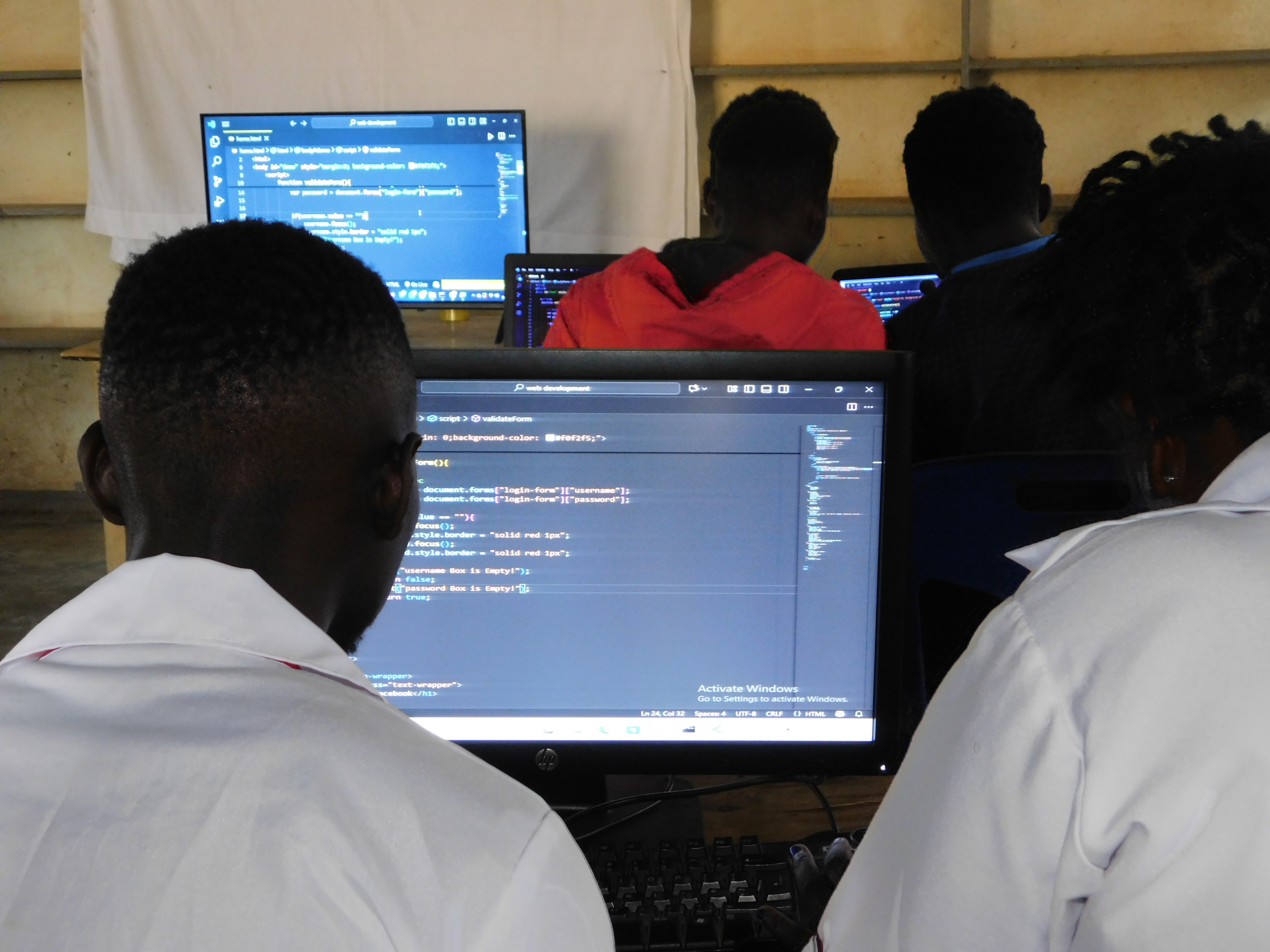
Through our Hub of Learning, we've seen the hunger for digital skills among Malawi's youth. Online learning platforms, virtual classrooms, and digital certification programs can democratize access to quality education. This is particularly critical in a country where educational resources are often concentrated in urban areas.
4. AgriTech
Agriculture is the backbone of Malawi's economy. Digital tools can help farmers access weather information, market prices, and expert advice via mobile phones. We're already seeing innovative solutions that connect farmers directly to buyers, eliminating middlemen and increasing profits.
5. Digital Health
Telemedicine, electronic health records, and mobile health applications can dramatically improve healthcare delivery in Malawi. Remote consultations can serve patients in rural areas, while digital records can ensure continuity of care and enable better public health planning.
Challenges That Need Addressing
While the opportunities are immense, several challenges must be addressed to realize the full potential of digital transformation in Malawi:
Infrastructure Gaps
Internet connectivity remains limited in rural areas, and electricity access is inconsistent. Addressing these infrastructure gaps is essential for ensuring that the benefits of digital transformation reach all Malawians.
Digital Skills Gap
There's a significant shortage of workers with digital skills. Through our Hub of Learning, we're working to address this, but scaling up digital education requires investment and coordination across public and private sectors.
Regulatory Environment
Regulations need to evolve to keep pace with technological change. This includes data protection laws, e-commerce regulations, and policies that encourage innovation while protecting consumers.
Success Stories from Malawi
Case Study: E-Commerce Platform for Local Bookstore
When a local bookstore approached us to build an e-commerce platform, they were struggling to compete with international online retailers. Within six months of launching their online store, their sales had increased by 300%, and they were shipping books to customers across Malawi.
Case Study: School Management System
A private school in Lilongwe needed a better way to manage student records, communicate with parents, and handle fee payments. We developed a comprehensive school management system that reduced administrative work by 70% and improved parent satisfaction significantly.
Case Study: Mobile App for Non-Profit
A non-profit organization wanted to reach more donors and improve service delivery. We built a mobile app that allowed them to share impact stories, receive donations, and coordinate volunteers. Within a year, their donor base had expanded internationally.
The Road Ahead
The future of digital transformation in Malawi is bright, but it requires concerted effort from all stakeholders:
- Government: Invest in digital infrastructure, create enabling policies, and lead by example by digitizing public services.
- Private Sector: Innovate, invest in digital capabilities, and collaborate to build a vibrant tech ecosystem.
- Educational Institutions: Update curricula to include digital skills and partner with industry to ensure graduates are job-ready.
- Development Partners: Support initiatives that build digital capacity and promote inclusive access to technology.
At DigitalLake MW, we're committed to playing our part. Through our development services, we're helping businesses go digital. Through our Hub of Learning, we're training the next generation of digital professionals. And through our advocacy, we're promoting policies that enable digital innovation.
Conclusion
Digital transformation is not a destination—it's a journey. For Malawi, it's a journey that holds the promise of inclusive growth, expanded opportunities, and a brighter future for all Malawians. The technology is ready. The talent is emerging. The time to act is now.
Whether you're a business owner looking to digitize your operations, a young person seeking digital skills, or an organization wanting to make a difference, we're here to help. Together, we can build a digitally empowered Malawi.